Previously, Kids Konnect demystified Thanksgiving and provided advice on how you could teach your little one about Indigenous perspectives during the holiday.
With Thanksgiving a couple of weeks away, we thought it would be a good time to talk you through how you can celebrate this wonderful holiday in a respectful and empathetic way.
Three Gentle Shifts for a Kinder Lesson
Here's how we can make Thanksgiving an opportunity for genuine learning and appreciation:
Let's Use the Right Name
When talking about the very first gathering, focusing on specifics is the kindest way to teach.
- Focus on the Specific Tribe: Instead of using general terms like "Indians" or "Native Americans," we can teach our kids the actual name of the Nation who were central to that event: the Wampanoag people (pronounced: Wam-pah-NO-ag).
- They're Still Our Neighbors: Remind your child that the Wampanoag are a community with a rich history that is still very much alive today.
-
Keep Crafts Respectful: If you choose a Thanksgiving craft, avoid anything that involves making "costumes" or feathers, as these can easily trivialize sacred traditions.
Introduce the Idea of Modern Native Life
The best way to honor Indigenous cultures is to show our preschoolers that they are not just figures from the past.
- Look for Modern Heroes: Find books or stories about current Indigenous authors, artists, or leaders. This helps challenge the idea that these cultures stopped existing long ago.
- Talk About Governance: At a preschool level, you can simply explain that Indigenous groups are called Nations because they have their own traditions and ways of making decisions for their people (this is the simplest way to talk about tribal sovereignty).
- Acknowledge the Land: It’s a powerful practice to simply teach your child to find out what Indigenous land your home or school stands on. This small Land Acknowledgment shows respect for the land's original caretakers.
Focus on the Universal Feeling of Thankfulness
If the whole point of the holiday is to be thankful, let's keep that simple and powerful.
- Make it a World Lesson: We can talk about how all cultures all over the world have traditions of giving thanks for the harvest, for family, or for a good year - including many different Indigenous ceremonies.
- Shift the Focus: Separate the complicated historical event from your family's personal tradition of gathering and expressing gratitude. That universal feeling of appreciation is what really matters.
Great Activities To Teach Your Little One About Indigenous Peoples This Thanksgiving
Use persona dolls when playing
Persona dolls are special dolls available in many different skin tones that can help children grow their understanding of both feelings and cultures. They’re a wonderful way to introduce little ones to diverse communities in a positive, age-appropriate way.
Sometimes, what kids see in the media can make it seem like Indigenous Peoples only lived in the past or always wore traditional clothing. By dressing a persona doll in clothes your child sees every day, like jeans, a t-shirt, and sneakers, you can show that the Muwekma Ohlone people (who call the Bay Area home) are modern neighbors, living, learning, and working just like everyone else.
Sing what you and your little one are thankful for!
This year, try shifting the focus from Thanksgiving itself to what you and your family are truly grateful for. It’s a wonderful way to embrace the spirit of the holiday, while keeping the emphasis on gratitude, not stereotypes from the past.
To make this activity even more joyful, why not add a song? Singing together can help your little one remember what makes this season special.
Here’s a fun game you can play as a family:
- Gather everyone in a circle and pick someone to go first.
- They start by saying, “This year, I am thankful for…”
- The next person repeats what the first said, and adds something new: “This year, I am thankful for [person 1’s answer] and…”
- Keep going around the circle, adding to the list each time. If someone forgets part of the list, they’re out for that round.
- Continue until everyone has had a turn or the list gets too long to remember.
This little memory game is a playful way to help your child understand gratitude, all while having fun and building family connections.
Engage with online content from Indigenous content creators
While Kids Konnect doesn’t recommend social media for our young students, we recognize that, with supervision, online content can support at-home learning.
Indigenous creators share engaging, contemporary perspectives that help children challenge stereotypes and learn about aspects of Indigenous culture often missed in mainstream media, such as diverse identities, life on reservations, and current community issues. These creators can also introduce your family to wonderful music from their Nations, far more meaningful than old stereotypes.
Please be advised: watch any TikTok before you share it with your child. Some may not be suitable for younger children and may contain strong content about colonization including strong language. Please make sure you are happy with the content you want to share with your child.
We recommend you follow these TikTokers:
Naiomi Glasses @naiomigalsses
Naiomi Glasses is a seventh-generation Diné textile artist and an amazing skateboarder. She lives in the Navajo Nation. In her videos, she shows what it is like to live on Navajo land, traditional weaving methods and some gnarly skateboarding moves.
Trixie Mattel @trixiemattel (from RuPaul’s Drag Race) shares a perspective of Indigeneity that’s rarely highlighted in mainstream media: as a queer Native youth growing up in Wisconsin.
Through their content, Trixie shows that Ojibwe people, and members of all Nations, are multifaceted individuals who defy stereotypes.
Patrick Willie @patrickisannavajo
Patrick is a celebrated hoop dancer who shares his performances on TikTok. Hoop dancing is a vibrant Indigenous tradition that celebrates nature, the changing seasons, the sun and moon, flowers, butterflies, and the beauty of daily life.
Research the local Muwekma Ohlone nation
The first Thanksgiving gathering involved the Wampanoag people, an Indigenous nation from the East Coast, not the Bay Area. In our region, the Muwekma Ohlone are the primary Indigenous nation, along with the Chochenyo, Karkin, Ramaytush, and Yokuts. The Muwekma Ohlone remain a vibrant part of our community today.
A meaningful activity is to research the Muwekma Ohlone with your child. Use online resources together to learn about this local Nation, and use the table below to guide your discoveries as you fill in each column.
|
Where do the Muwekma Ohlone live in the Bay Area?
|
How do the Muwekma Ohlone dress? |
What do Muwekma Ohlone want to achieve? |
What amazing things have Muwekma Ohlone achieved in the 21st century? |
By learning specifically about the Muwekma Ohlone, you and your child gain meaningful, culturally accurate insights, rather than broad generalizations. This approach helps address stereotypes and encourages your child to look beyond first impressions.
Read some books about Indigenous children set in present day
It’s important to remember that we should talk about indigenous people in a modern context. Children’s books are a great way to teach lessons about, and build empathy, for other cultures.
Our favourite books at the moment are:
When We Are Kind by Monique Grey Smith
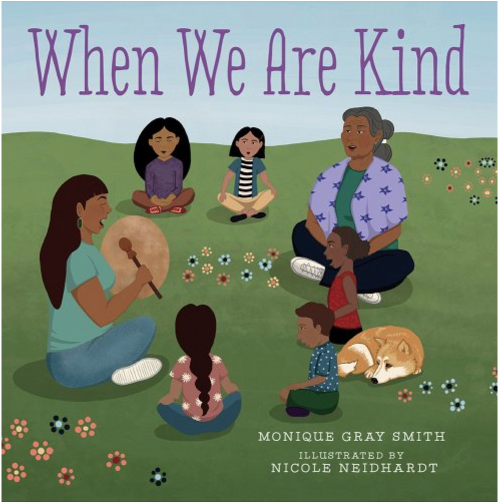
This heartfelt picture book explores kindness in everyday life and the far-reaching effects it can have. Through gentle language and vibrant illustrations, it celebrates the many ways we can show kindness, to grownups, family, Elders, neighbors, and even the Earth, and thoughtfully considers how receiving kindness can brighten our own lives.
Recommended for children ages two to four.
Purchase on Bookshop (supports independent booksellers)
For more children’s books about Indigenous children, this blog by anti-racist educator Rebekah Gienapp, has a great list.
There are also some great dos & don’ts about teaching Indigenous culture in early childhood education you can read.
Key Takeaway for Grownups
This journey is about learning together. Teaching a more accurate and respectful Thanksgiving story isn't about guilt, it’s about building empathy and giving our children a fuller, kinder view of the world. By focusing on the Wampanoag Nation, modern life, and genuine respect, we turn a tricky holiday into a beautiful opportunity to grow.
Let's commit to raising kids who are curious and respectful, this November and all year long!
Book a tour of Kids Konnect
Kids Konnect is dedicated to teaching preschool students in the Bay Area about other cultures with cultural sensitivity. If you would like check out more about Kids Konnect, please book a tour now.